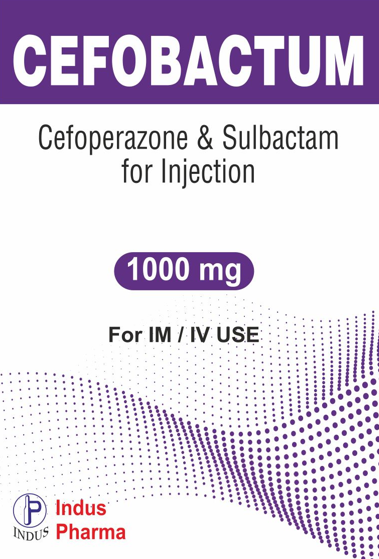
Benefits
Effective against a wide range of bacteria
Active against beta-lactamase producing organisms
Suitable for moderate to severe infections
Combination therapy improves antibiotic effectiveness
Widely used in hospitals and clinical care
Usage Instructions
Administer only under the supervision of a healthcare professional.
Reconstitute the powder with a recommended diluent before use.
Given via intravenous injection, IV infusion, or intramuscular injection.
Dosage depends on patient condition, severity of infection, and renal function.
Mechanism of Action
Cefoperazone works by inhibiting bacterial cell wall synthesis, which weakens and destroys bacterial cells.
Sulbactam acts by inhibiting beta-lactamase enzymes, preventing bacteria from inactivating cefoperazone.
Together they provide:
Enhanced antibacterial effectiveness
Protection against resistant bacterial strains
Broader spectrum of antimicrobial activity
Indications
Cefoperazone + Sulbactam Injection is indicated for the treatment of infections such as:
Pneumonia
Urinary Tract Infection
Sepsis
Skin and soft tissue infections
Intra-abdominal infections
Bone and joint infections
Gynecological infections
Effective against bacteria including:
Escherichia coli
Klebsiella pneumoniae
Pseudomonas aeruginosa
Side Effects
Common:
Injection site pain
Nausea
Diarrhea
Precautions
Use cautiously in patients with liver or kidney impairment
Monitor for allergic reactions
Long-term use may lead to secondary infections
Avoid alcohol during treatment due to possible adverse reactions
Contraindications
Hypersensitivity to cephalosporins, penicillins, or beta-lactam antibiotics
Known allergy to sulbactam