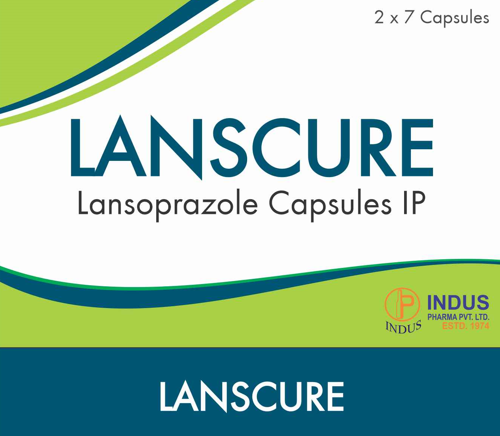
Benefits
Lansoprazole 30 mg offers several important benefits:
Reduces excess stomach acid production
Provides effective relief from heartburn and acid reflux
Helps heal gastric and duodenal ulcers
Treats GERD and erosive esophagitis
Protects the stomach lining from acid damage
Provides long-lasting control of acidity symptoms
Usage Instructions
Take Lansoprazole 30 mg capsule orally with water.
It is usually taken before meals, preferably in the morning.
Swallow the capsule whole without crushing or chewing.
Follow the dose and duration prescribed by your doctor.
Do not stop the medication suddenly without medical advice.
Mechanism of Action
Lansoprazole works by blocking the proton pump (H+/K+ ATPase enzyme) in the stomach lining. This enzyme is responsible for the final step in stomach acid production. By inhibiting the proton pump, Lansoprazole significantly reduces gastric acid secretion, which helps relieve acid reflux, GERD symptoms, and ulcer pain while allowing damaged tissues in the stomach and esophagus to heal.
Indications
Lansoprazole 30 mg is commonly used for the treatment of:
Gastroesophageal Reflux Disease (GERD)
Acid reflux and severe acidity
Heartburn and acid indigestion
Gastric ulcers
Duodenal ulcers
Erosive esophagitis
Zollinger–Ellison syndrome
Prevention of ulcers caused by NSAID medicines
Side Effects
Some mild side effects may occur, such as:
Headache
Nausea
Diarrhea
Abdominal pain
Constipation
Dizziness
Precautions
Use cautiously in patients with liver disease.
Long-term use may affect vitamin B12 absorption.
Consult a doctor before use during pregnancy or breastfeeding.
Inform your doctor about other medications or supplements you are taking.
Contraindications
Lansoprazole should not be used in the following situations:
Hypersensitivity or allergy to lansoprazole or other proton pump inhibitors
Patients with known allergy to omeprazole, pantoprazole, or esomeprazole
Severe liver disease without medical advice
Concurrent use with certain medications where interaction may occur