Benefits
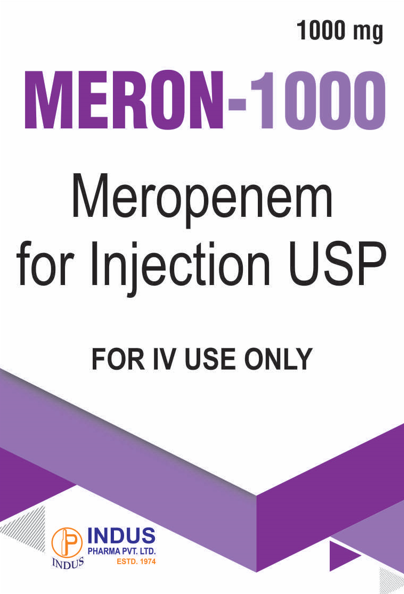
Meropenem 1000 mg injection offers several important benefits:
Effective against a wide range of bacteria
Used for serious and life-threatening infections
Provides rapid antibacterial action
Helps control infections that are resistant to other antibiotics
Widely used in hospital and intensive care settings
Usage Instructions
Meropenem injection should be administered only by a qualified healthcare professional.
It is usually given through intravenous (IV) infusion or injection.
The dosage and duration depend on the type and severity of infection.
Patients should complete the full prescribed course to prevent antibiotic resistance.
Mechanism of Action
Meropenem works by inhibiting bacterial cell wall synthesis. It binds to specific penicillin-binding proteins (PBPs) in bacteria, preventing the formation of the bacterial cell wall. This leads to weakening of the cell structure and ultimately causes bacterial cell death, helping eliminate the infection.
Indications
Meropenem 1000 mg injection is indicated for the treatment of:
Severe bacterial infections
Pneumonia (lung infection)
Meningitis
Intra-abdominal infections
Complicated urinary tract infections (UTIs)
Skin and soft tissue infections
Septicemia (bloodstream infections)
Side Effects
Some patients may experience the following side effects:
Nausea
Vomiting
Diarrhea
Headache
Injection site pain or inflammation
Skin rash or allergic reactions (rare)
Precautions
Use with caution in patients with kidney impairment.
Inform your doctor about any history of antibiotic allergy.
Use during pregnancy or breastfeeding only if prescribed.
Avoid stopping the medication early to reduce the risk of antibiotic resistance.
Contraindications
Meropenem should not be used in the following conditions:
Hypersensitivity to meropenem or carbapenem antibiotics
Known allergy to beta-lactam antibiotics such as penicillins or cephalosporins
Patients with a history of severe allergic reactions to antibiotics