Benefits
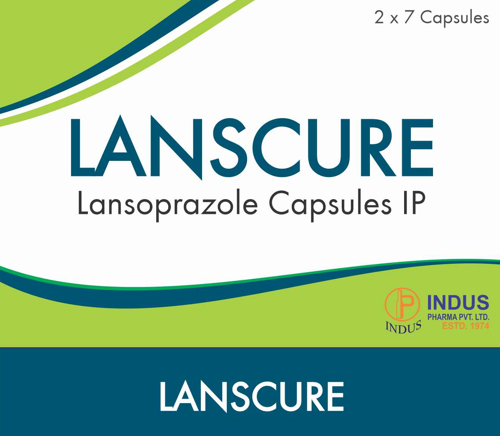
Lansoprazole capsules provide several therapeutic benefits:
Reduces excess stomach acid production
Relieves heartburn and acid reflux symptoms
Promotes healing of stomach and duodenal ulcers
Protects the esophagus and stomach lining
Provides long-lasting relief from acid-related disorders
Usage Instructions
Take the capsule orally with water, preferably before meals.
Swallow the capsule whole without crushing or chewing.
Follow the dosage and duration prescribed by a doctor.
Usually taken once daily before breakfast.
Mechanism of Action
Lansoprazole works by inhibiting the H⁺/K⁺-ATPase enzyme (proton pump) in the stomach lining. This enzyme is responsible for producing gastric acid. By blocking this proton pump, lansoprazole significantly reduces stomach acid secretion, helping relieve symptoms and allowing ulcers or inflammation in the digestive tract to heal.
Indications
Lansoprazole 30 mg is indicated for:
Gastroesophageal reflux disease (GERD)
Acid reflux and heartburn
Gastric ulcers
Duodenal ulcers
Erosive esophagitis
Zollinger–Ellison syndrome
Prevention of NSAID-induced ulcers
Side Effects
Some patients may experience mild side effects such as:
Headache
Nausea
Diarrhea
Abdominal pain
Flatulence
Serious side effects are rare but require medical attention.
Precautions
Inform your doctor if you have liver disease or stomach disorders.
Long-term use may lead to vitamin B12 deficiency or low magnesium levels.
Avoid prolonged use without medical supervision.
Use during pregnancy or breastfeeding only if recommended by a doctor.
Contraindications
This medicine should not be used in the following conditions:
Hypersensitivity to lansoprazole or other proton pump inhibitors
Allergy to benzimidazole derivatives
Use with certain medications without medical supervision