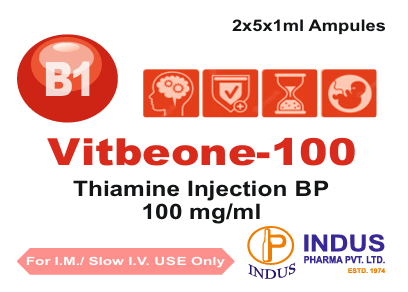
Benefits
Rapid correction of Vitamin B1 deficiency
Supports healthy nerve function
Essential for energy metabolism
Useful in emergency neurological conditions
BP-compliant quality assurance
Usage Instructions
Administered intramuscularly or intravenously by a qualified healthcare professional
Dosage depends on the severity of deficiency and clinical condition
IV administration should be given slowly
For professional medical use only
Mechanism of Action
Thiamine acts as a coenzyme in several critical metabolic pathways, including the conversion of carbohydrates into energy. It is essential for the proper functioning of enzymes involved in glucose metabolism and nerve impulse conduction.
Indications
Thiamine Injection BP 100 mg/mL is indicated for the prevention and treatment of:
Vitamin B1 (Thiamine) deficiency
Beriberi (wet and dry)
Wernicke’s encephalopathy
Alcohol-related nutritional deficiency
Peripheral neuropathy associated with thiamine deficiency
Nutritional support in malnourished or critically ill patients
Side Effects
Mild injection site reactions
Sweating or warmth sensation
Allergic reactions (rare but possible)
Anaphylaxis (very rare)
Precautions
Administer under medical supervision
Monitor patients with a history of allergic reactions
Emergency resuscitation facilities should be available when given intravenously
Use caution in patients with hypersensitivity history
Contraindications
Known hypersensitivity to thiamine or any component of the formulation
Previous severe allergic reaction to thiamine injections