Benefits
Rapid reduction of gastric acid secretion
Effective management of ulcer-related conditions
Suitable for hospitalized and critically ill patients
Helps prevent stress-related gastric complications
BP-compliant formulation ensuring quality standards
Usage Instructions
Administered intravenously (slow injection or infusion) or intramuscularly
Dosage depends on clinical indication and patient condition
For professional medical use only
Adjust dosage in patients with renal impairment
Mechanism of Action
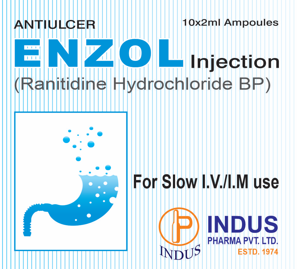
Ranitidine works by blocking histamine H2 receptors in the gastric parietal cells, thereby reducing the secretion of gastric acid. This helps promote healing of ulcers and reduces irritation of the gastrointestinal lining.
Indications
Ranitidine Injection BP 25 mg/mL is indicated for:
Peptic ulcer disease (gastric and duodenal ulcers)
Gastroesophageal reflux disease (GERD)
Hypersecretory conditions such as Zollinger–Ellison syndrome
Prevention of stress ulcers in hospitalized patients
Management of upper gastrointestinal bleeding (as adjunct therapy)
Preoperative reduction of gastric acid secretion
Side Effects
Possible side effects may include:
Headache
Dizziness
Constipation or diarrhea
Injection site reactions
Rare: Allergic reactions or cardiac rhythm disturbances
Precautions
Use cautiously in patients with renal impairment
Monitor liver function in prolonged therapy
Evaluate persistent gastric symptoms to rule out malignancy
Use under strict medical supervision
Caution in elderly patients
Contraindications
Known hypersensitivity to ranitidine or other H2-receptor antagonists
History of severe allergic reactions to similar medications
Use with caution in patients with acute porphyria