Benefits
Effective relief from mild to moderate pain
Rapid reduction of fever
Suitable for postoperative and acute care settings
Can be used as part of multimodal pain therapy
Well-established safety profile when used appropriately
Usage Instructions
Administered intravenously or intramuscularly by a qualified healthcare professional
Dosage depends on age, body weight, and clinical condition
Do not exceed recommended daily dosage
For professional medical use only
Mechanism of Action
Paracetamol works primarily by inhibiting prostaglandin synthesis in the central nervous system, leading to analgesic and antipyretic effects. It has minimal anti-inflammatory activity compared to NSAIDs.
Indications
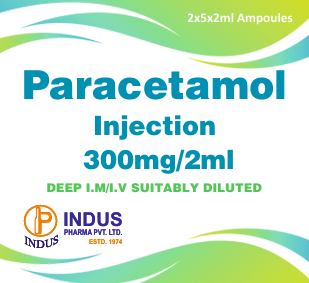
Paracetamol Injection 300 mg/2 mL is indicated for:
Management of mild to moderate pain
Reduction of fever (pyrexia)
Postoperative pain management
Acute pain when oral administration is not feasible
Adjunct therapy in multimodal pain management protocols
Side Effects
Paracetamol Injection is generally well tolerated. Possible side effects may include:
Injection site discomfort
Nausea
Mild hypotension
Rare: Allergic reactions
Rare: Liver enzyme elevation with excessive dosing
Precautions
Use cautiously in patients with hepatic impairment
Avoid overdose to prevent liver toxicity
Monitor liver function in prolonged therapy
Adjust dosage in underweight or debilitated patients
Ensure cumulative daily dose from all sources is considered
Contraindications
Known hypersensitivity to paracetamol (acetaminophen)
Severe hepatic impairment or active liver disease
Chronic alcohol-related liver damage (use with caution)