Benefits
Broad-spectrum antibacterial coverage
Effective against respiratory and urinary infections
Convenient oral suspension dosage form
Suitable for pediatric and adult patients
Reliable third-generation cephalosporin antibiotic
Usage Instructions
Administered intravenously (IV) or intramuscularly (IM) by healthcare professionals
Intended for short-term use only (generally not exceeding 5 days)
Dosage depends on patient condition, age, and renal function
Monitor renal and gastrointestinal status during therapy
Mechanism of Action
Ketorolac inhibits cyclooxygenase (COX-1 and COX-2) enzymes, reducing the synthesis of prostaglandins responsible for pain, inflammation, and fever. Its analgesic effect results from decreased peripheral prostaglandin production.
Indications
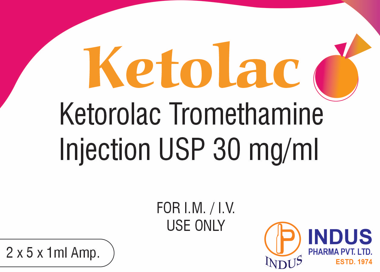
Ketorolac Tromethamine Injection USP 30mg/mL is indicated for:
Short-term management of moderate to severe acute pain
Postoperative pain relief
Orthopedic and musculoskeletal pain
Renal colic
Trauma-related pain
Pain where opioid therapy is to be reduced or avoided
Side Effects
Possible side effects include:
Nausea
Gastric irritation
Abdominal pain
Headache
Dizziness
Gastrointestinal bleeding (serious but rare)
Renal function impairment
Precautions
Use lowest effective dose for shortest duration
Avoid in patients with history of GI ulcers or bleeding
Monitor renal function, especially in elderly patients
Avoid combination with other NSAIDs
Use cautiously in patients with cardiovascular risk factors
Contraindications
Hypersensitivity to ketorolac or other NSAIDs
Active peptic ulcer disease
Gastrointestinal bleeding or perforation
Severe renal impairment
Advanced heart failure
Use during labor and delivery
Concurrent use with other NSAIDs