Benefits
Rapid relief from nerve-related pain
Supports nerve regeneration and repair
Reduces inflammation around affected nerves
Improves nerve conduction and function
Less painful injection due to Lidocaine
Effective in neuropathic and musculoskeletal conditions
Usage Instructions
Administer via deep intramuscular injection.
Use only under medical supervision.
Dosage and duration depend on the clinical condition and physician recommendation.
Intended mainly for short-term therapy in acute nerve inflammation.
Mechanism of Action
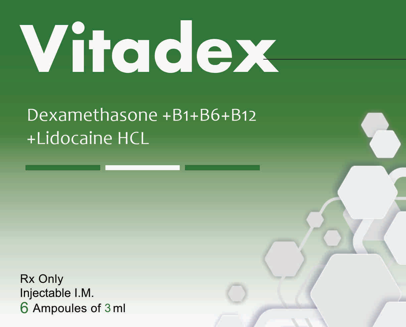
Dexamethasone suppresses inflammatory mediators and reduces tissue swelling around nerves.
Thiamine (B1) improves nerve metabolism and nerve impulse transmission.
Pyridoxine (B6) supports neurotransmitter synthesis and nerve function.
Cyanocobalamin (B12) promotes myelin sheath regeneration and nerve repair.
Lidocaine blocks sodium channels in nerve cells, preventing pain signal transmission.
Together, the combination provides anti-inflammatory, neurotrophic, and analgesic effects.
Indications
This injection may be used for the management of:
Peripheral neuropathy
Sciatica
Cervical and lumbar spondylosis
Neuralgia and neuritis
Radiculopathy
Nerve inflammation and nerve compression syndromes
Vitamin B complex deficiency affecting nerves
Musculoskeletal pain with nerve involvement
Side Effects
Common side effects:
Injection site discomfort
Mild dizziness
Nausea
Headache
Precautions
Use cautiously in diabetic patients (steroids may increase blood glucose)
Monitor long-term steroid exposure
Use with caution in elderly patients
Avoid prolonged therapy unless medically necessary
Monitor patients with cardiovascular conditions
Contraindications
Hypersensitivity to any component of the formulation
Severe infections without appropriate antimicrobial therapy
Hypersensitivity to corticosteroids
Hypersensitivity to amide-type local anesthetics
Severe hepatic impairment