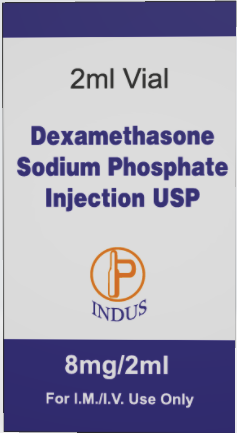
Benefits
Powerful anti-inflammatory effect
Rapid relief in severe allergic conditions
Effective immunosuppressive activity
Suitable for emergency and critical care use
Helps control severe inflammatory responses
Usage Instructions
Administer only under medical supervision.
Can be given via intravenous or intramuscular injection depending on clinical need.
Dosage and frequency depend on the patient’s condition and physician recommendation.
Treatment duration should be limited to the shortest effective period.
Mechanism of Action
Dexamethasone works by binding to intracellular glucocorticoid receptors and regulating gene expression that controls inflammatory processes.
Its actions include:
Suppression of inflammatory mediators
Reduction of capillary permeability
Inhibition of immune cell migration
Decreased cytokine production
These mechanisms help reduce swelling, redness, pain, and immune system overactivity.
Indications
Dexamethasone Sodium Phosphate Injection may be used in the treatment of:
Severe allergic reactions
Acute inflammatory conditions
Asthma exacerbations
Anaphylactic reactions (adjunct therapy)
Rheumatic disorders
Dermatologic diseases
Endocrine disorders
Cerebral edema
Certain autoimmune diseases
Side Effects
Common side effects:
Increased appetite
Fluid retention
Insomnia
Mood changes
Precautions
Monitor blood glucose levels in diabetic patients
Use cautiously in patients with hypertension or cardiovascular disease
Long-term use may suppress adrenal gland function
Monitor for signs of infection due to immune suppression
Gradual dose reduction may be required after prolonged therapy
Contraindications
Hypersensitivity to dexamethasone or corticosteroids
Systemic fungal infections
Untreated severe infections without appropriate antimicrobial therapy