Anticholinergic / Antimuscarinic

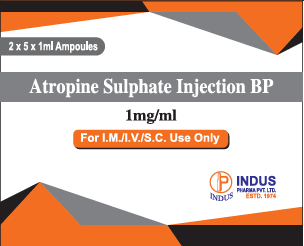
Atropine Injection BP 1mg/mL

Anticholinergic Agent Parasympatholytic Drug Emergency Cardiovascular Medication

Atropine Injection BP 1mg/mL is an anticholinergic medication widely used in emergency medicine, anesthesia, and cardiology. It works by blocking the action of acetylcholine on muscarinic receptors, which helps regulate heart rate and reduce secretions in the body. This injectable formulation is commonly used for the treatment of symptomatic bradycardia, organophosphate poisoning, and as a pre-anesthetic medication to reduce salivary and respiratory secretions. Atropine is also an important drug in emergency care protocols and resuscitation procedures. Manufactured under strict pharmaceutical quality standards, Atropine Injection ensures high sterility, stability, and reliable therapeutic effectiveness for hospital and clinical use.

Key Information

Active Ingredient Atropine Sulphate 0.6mg/mL
Dosage Form Injection
Pack Size 1mL Ampoule
Storage 15°C – 30°C

Benefits

Rapid action in emergency situations

Effective treatment for bradycardia

Reduces secretions during surgical procedures

Essential drug in emergency and anesthesia care

Widely used in hospital and critical care settings

Usage Instructions

Administer only under medical supervision.

The injection may be given via IV, IM, or subcutaneous route depending on the clinical condition.

Dosage is determined by the healthcare provider based on the patient's age, weight, and medical condition.

Continuous monitoring of heart rate and vital signs is recommended during administration.

Mechanism of Action

Atropine works by blocking muscarinic acetylcholine receptors in the parasympathetic nervous system.

This results in:

Increased heart rate

Reduced salivary and respiratory secretions

Relaxation of smooth muscles

By inhibiting parasympathetic activity, atropine helps restore normal cardiovascular function and physiological balance in certain medical emergencies.

Indications

Atropine Injection is indicated for:

Symptomatic bradycardia (slow heart rate)

Pre-anesthetic medication to reduce secretions

Organophosphate or pesticide poisoning

Adjunct in cardiac resuscitation protocols

Treatment of certain types of heart block

Side Effects

Common:

Dry mouth

Blurred vision

Increased heart rate

Sensitivity to light

Precautions

Use cautiously in patients with cardiovascular disease

Monitor heart rate and blood pressure during administration

Use with caution in elderly patients

Avoid excessive doses that may cause toxicity

Careful monitoring is required in patients with glaucoma

Contraindications

Hypersensitivity to atropine or related anticholinergic drugs

Narrow-angle glaucoma

Severe obstructive gastrointestinal disease

Myasthenia gravis (unless used to treat cholinergic crisis)

Frequently Asked Questions

Find answers to common questions about Atropine Injection BP 1mg/mL

1 What is Atropine Injection used for?
It is used to treat slow heart rate, reduce secretions before surgery, and manage organophosphate poisoning.
2 Is Atropine used in emergency medicine?
Yes, it is an important drug used in emergency and resuscitation protocols.
3 How does Atropine increase heart rate?
It blocks parasympathetic nerve activity, allowing the heart rate to increase.
4 Who should administer Atropine Injection?
It should only be administered by trained healthcare professionals in clinical or hospital settings.
Product Image