Click to zoom
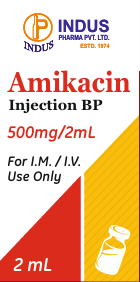
Amikacin Injection BP 500mg/2mL is a broad-spectrum aminoglycoside antibiotic used to treat serious bacterial infections caused by susceptible gram-negative and some gram-positive organisms. It is commonly used in hospitals for the management of severe infections when other antibiotics may not be effective. This injectable antibiotic works by inhibiting bacterial protein synthesis, which ultimately leads to the death of bacteria. Amikacin is particularly effective against resistant bacterial strains and is widely used for treating infections involving the respiratory tract, urinary tract, bloodstream, bones, joints, and soft tissues. Manufactured according to British Pharmacopoeia (BP) standards, Amikacin Injection ensures high sterility, potency, and consistent therapeutic performance for clinical and hospital use.
Find answers to common questions about Amikacin Injection BP 500mg/2mL