WHO-GMP Certification is one of the most recognized quality standards in the pharmaceutical industry. It ensures that medicines are consistently manufactured and controlled according to international quality guidelines. This guide explains what WHO-GMP Certification is, why it is important, its certification process, benefits, and how it helps pharmaceutical manufacturers produce safe, effective, and high-quality medicines.
The pharmaceutical industry directly impacts human health, making quality and safety the highest priorities during medicine manufacturing. Every tablet, injection, capsule, syrup, or ointment must meet strict quality standards before reaching patients.
One of the most trusted international quality systems is WHO-GMP (World Health Organization - Good Manufacturing Practices). It provides a framework that pharmaceutical manufacturers must follow to ensure medicines are consistently produced and controlled according to internationally accepted quality standards.
WHO-GMP Certification is recognized by regulatory authorities, healthcare organizations, hospitals, and international buyers worldwide, making it a key requirement for pharmaceutical exports and global market access.
What is WHO-GMP Certification?
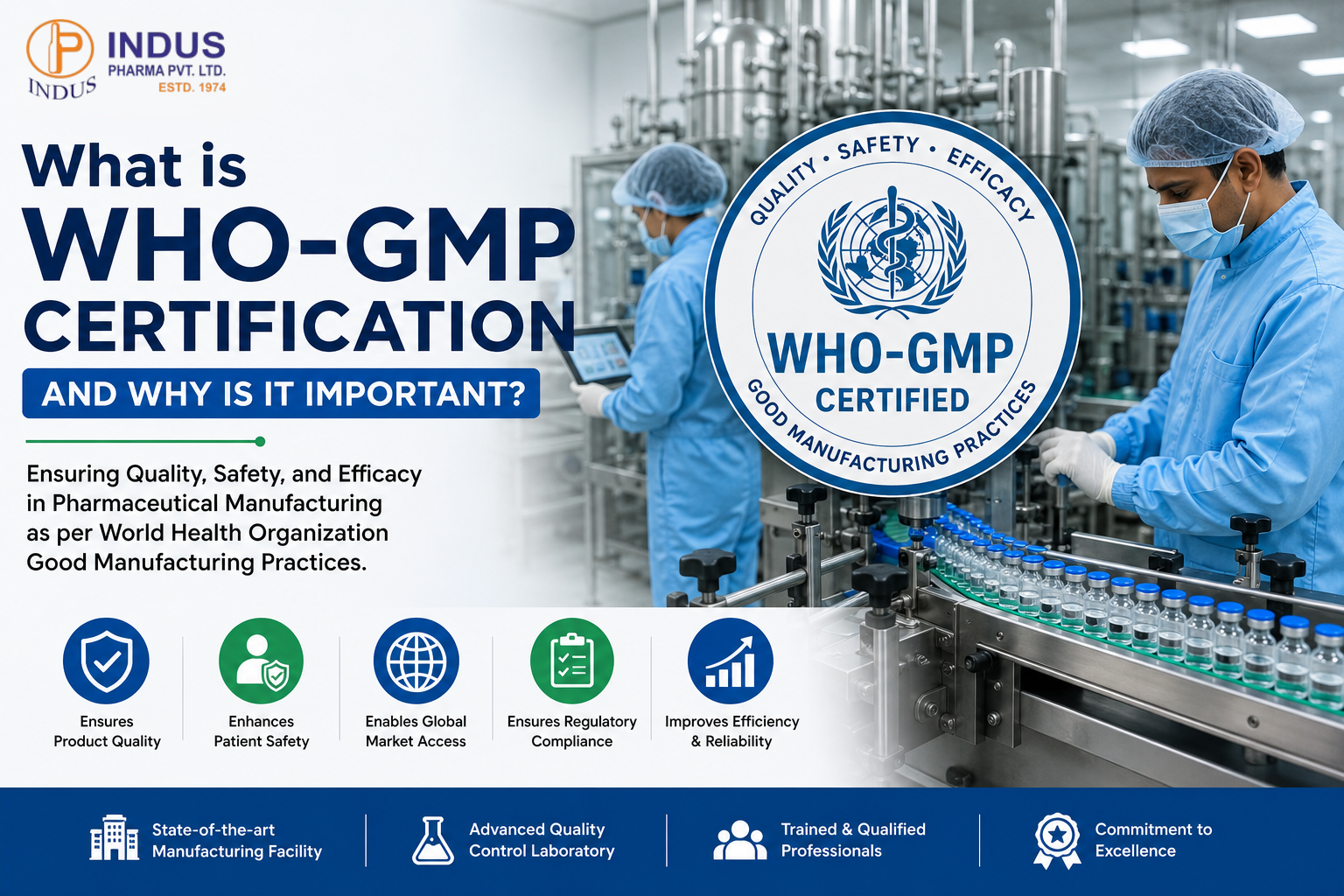
WHO-GMP stands for World Health Organization Good Manufacturing Practices.
It is a certification that confirms a pharmaceutical manufacturing facility follows internationally accepted manufacturing standards designed to ensure:
- Product Quality
- Product Safety
- Product Consistency
- Product Efficacy
- Regulatory Compliance
The certification focuses not only on the final product but also on every stage of the manufacturing process, including:
- Raw material procurement
- Manufacturing processes
- Packaging
- Labeling
- Storage
- Documentation
- Quality testing
- Distribution
Why is WHO-GMP Certification Important?
WHO-GMP Certification is essential because poor manufacturing practices can lead to:
- Contaminated medicines
- Incorrect dosage
- Product mix-ups
- Microbial contamination
- Ineffective medicines
- Serious health risks
Following WHO-GMP standards minimizes these risks and ensures that every medicine reaching patients is safe, effective, and of consistent quality.
Objectives of WHO-GMP
The primary objectives include:
- Ensuring consistent product quality
- Preventing contamination
- Eliminating manufacturing errors
- Maintaining proper documentation
- Improving patient safety
- Ensuring regulatory compliance
- Supporting international pharmaceutical trade
Key Principles of WHO-GMP
1. Quality Management System
Every pharmaceutical company must establish a robust Quality Management System (QMS) covering:
- Standard Operating Procedures (SOPs)
- Change Control
- Deviations
- CAPA (Corrective and Preventive Actions)
- Risk Management
- Internal Audits
2. Qualified Personnel
Employees should receive proper training in:
- GMP Guidelines
- Hygiene Practices
- Documentation
- Equipment Handling
- Safety Procedures
Regular training ensures continuous compliance with WHO-GMP standards.
3. Suitable Manufacturing Facility
Manufacturing areas must be designed to:
- Prevent contamination
- Maintain cleanliness
- Control environmental conditions
- Separate production areas
- Reduce cross-contamination
4. Equipment Qualification
Equipment used in pharmaceutical manufacturing should be:
- Properly installed
- Qualified
- Calibrated
- Validated
- Regularly maintained
This ensures consistent manufacturing performance.
5. Raw Material Control
WHO-GMP requires strict control over:
- Vendor qualification
- Material inspection
- Sampling
- Testing
- Storage
- Release procedures
Only approved raw materials are used in production.
6. Documentation
Documentation is one of the most important aspects of WHO-GMP.
Important records include:
- Batch Manufacturing Records
- Batch Packaging Records
- SOPs
- Validation Reports
- Equipment Logs
- Cleaning Records
- Training Records
- Quality Control Reports
Proper documentation provides complete traceability for every manufactured batch.
7. Quality Control
Every batch undergoes rigorous testing for:
- Identity
- Purity
- Potency
- Sterility (for injectables)
- Stability
- Microbial contamination
Only approved batches are released to the market.
8. Validation
Critical manufacturing processes must be validated to prove they consistently produce quality products.
Validation includes:
- Process Validation
- Cleaning Validation
- Equipment Qualification
- Analytical Method Validation
- Computer System Validation
9. Hygiene and Sanitation
Personnel hygiene plays a major role in pharmaceutical manufacturing.
WHO-GMP requires:
- Clean uniforms
- Hand washing procedures
- Controlled entry
- Health monitoring
- Sanitization programs
10. Complaint Handling and Product Recall
Companies must establish systems for:
- Complaint investigation
- Root Cause Analysis
- Product recall
- Corrective actions
This protects patient safety and maintains public confidence.
WHO-GMP Certification Process
The certification process generally involves the following steps:
Step 1: Gap Analysis
The company evaluates its current manufacturing practices against WHO-GMP requirements.
Step 2: Documentation Preparation
Preparation of:
- SOPs
- Validation Documents
- Quality Manual
- Training Records
Step 3: Facility Improvements
Necessary upgrades are made to:
- Production areas
- HVAC systems
- Water systems
- Laboratories
- Warehouses
Step 4: Employee Training
Personnel receive WHO-GMP training.
Step 5: Internal Audit
Internal audits identify compliance gaps before regulatory inspection.
Step 6: Regulatory Inspection
Regulatory authorities inspect the manufacturing facility.
Step 7: Certification
If all requirements are met, the facility receives WHO-GMP Certification.
Benefits of WHO-GMP Certification
Improved Product Quality
Standardized manufacturing reduces product variability.
Enhanced Patient Safety
Quality systems minimize contamination and manufacturing errors.
Global Market Access
Many countries require WHO-GMP compliance before importing medicines.
Regulatory Compliance
Helps companies comply with national and international pharmaceutical regulations.
Increased Customer Confidence
Hospitals, distributors, and healthcare providers prefer GMP-certified manufacturers.
Better Manufacturing Efficiency
Documented procedures reduce waste and improve productivity.
Reduced Product Recalls
Quality systems help detect issues before products reach the market.
Strong International Reputation
WHO-GMP Certification enhances credibility and business opportunities worldwide.
WHO-GMP vs GMP
| WHO-GMP | GMP |
|---|---|
| Issued based on WHO Guidelines | General Good Manufacturing Practices |
| Internationally recognized | May vary by country |
| Suitable for exports | May apply only nationally |
| Focus on global compliance | Focus on local regulatory compliance |
Industries That Require WHO-GMP
WHO-GMP applies to manufacturers of:
- Injectable Medicines
- Tablets
- Capsules
- Syrups
- Ointments
- Vaccines
- Medical Devices (where applicable)
- Nutraceuticals (depending on regulations)
- APIs (Active Pharmaceutical Ingredients)
Common Challenges in WHO-GMP Compliance
Manufacturers often face challenges such as:
- Documentation errors
- Employee training gaps
- Equipment validation
- Data integrity compliance
- Environmental monitoring
- Cleaning validation
- Change control management
Regular audits and continuous improvement help overcome these challenges.
Future of WHO-GMP
With advancements in pharmaceutical technology, WHO-GMP now increasingly emphasizes:
- Digital Documentation
- Electronic Batch Records
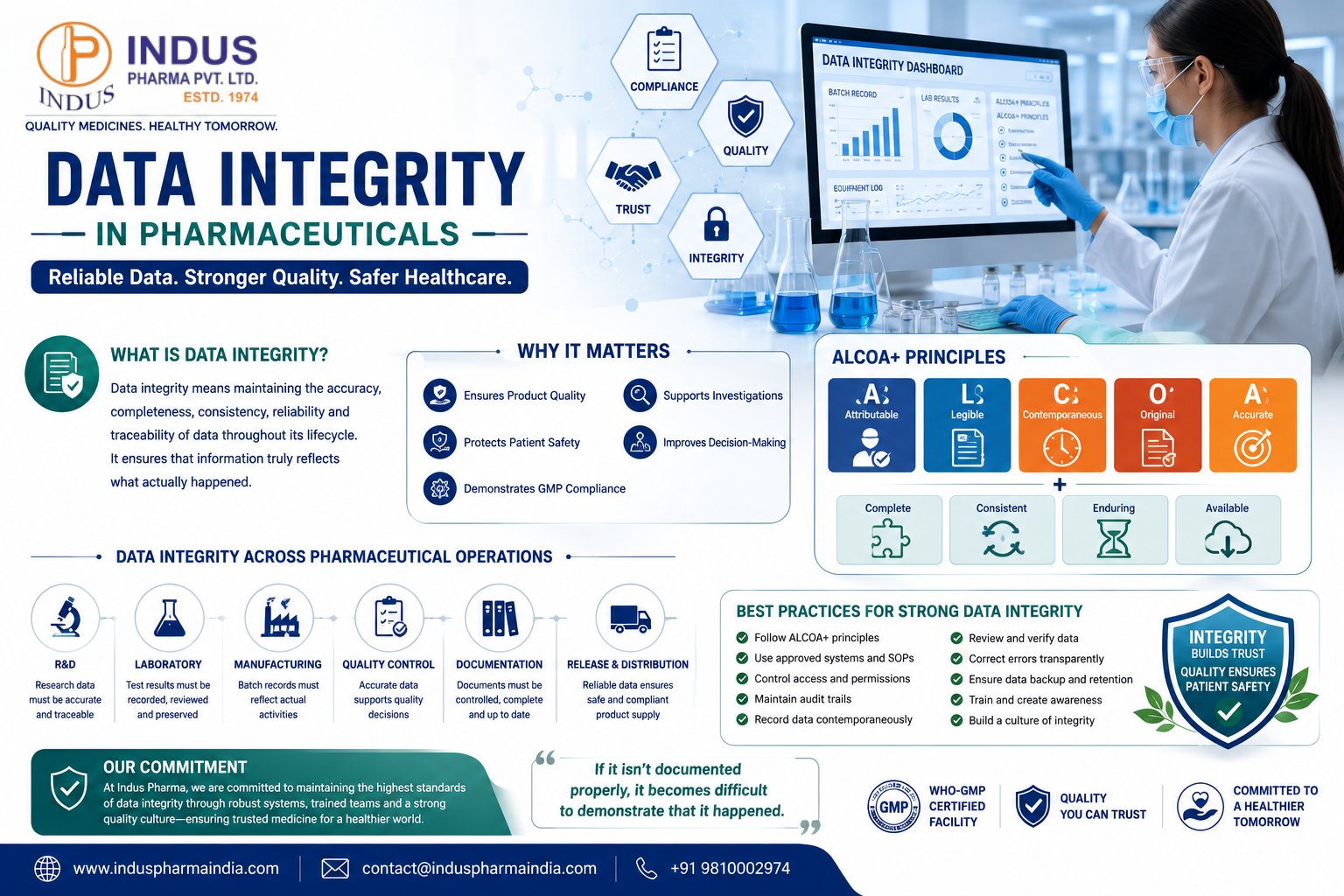
- Data Integrity
- Risk-Based Quality Management
- Automation
- Continuous Process Verification
- Pharmaceutical Quality Systems (PQS)
These improvements strengthen compliance and support the production of high-quality medicines.
Frequently Asked Questions (FAQs)
What does WHO-GMP stand for?
WHO-GMP stands for World Health Organization Good Manufacturing Practices, a globally recognized quality standard for pharmaceutical manufacturing.
Why is WHO-GMP Certification important?
It ensures medicines are consistently manufactured under strict quality standards, improving patient safety, product quality, and regulatory compliance.
Who needs WHO-GMP Certification?
Pharmaceutical manufacturers producing tablets, capsules, injections, syrups, ointments, and other medicinal products often require WHO-GMP Certification, especially for international exports.
Is WHO-GMP mandatory?
Requirements vary by country, but many regulatory authorities and international buyers expect WHO-GMP compliance for pharmaceutical manufacturing and exports.
How long does WHO-GMP Certification last?
The validity depends on the issuing regulatory authority, with periodic inspections and renewals typically required to maintain compliance.
Conclusion
WHO-GMP Certification is more than a regulatory requirement—it is a commitment to producing safe, effective, and high-quality medicines. By following internationally recognized Good Manufacturing Practices, pharmaceutical manufacturers can improve operational efficiency, strengthen regulatory compliance, build trust with healthcare providers and patients, and expand into global markets. For companies focused on long-term growth and excellence, maintaining WHO-GMP standards is an essential investment in quality and patient safety.